
How to Safely Use a Gasoline Generator at Home
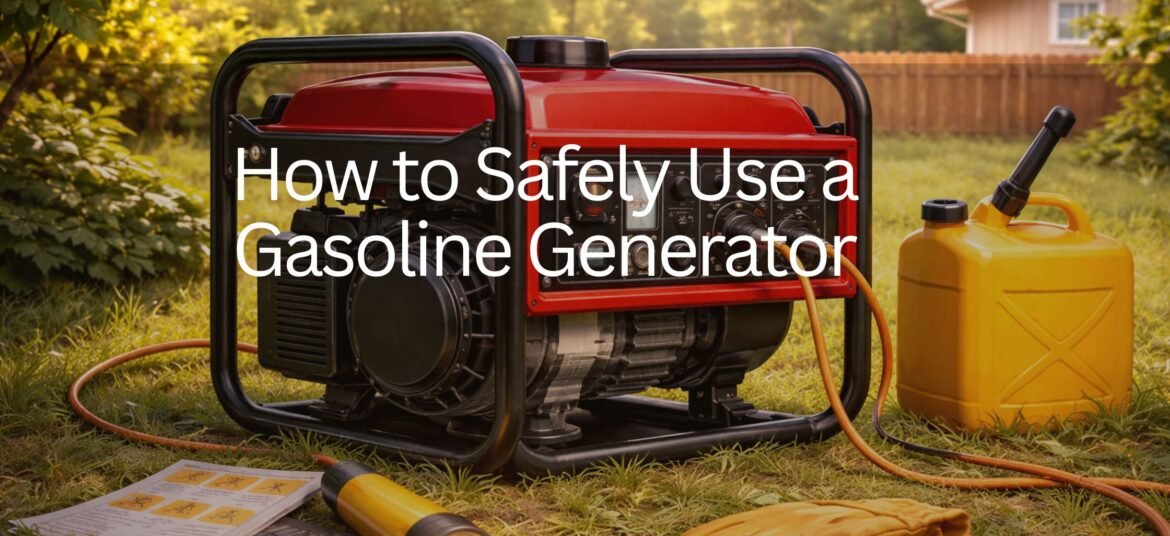
How to Safely Use a Gasoline Generator at Home
Power outages, construction work, outdoor events, or emergency situations can make a gasoline generator an essential backup solution for many UAE households. From villas to remote sites, generators offer convenience and reliability—but only when used correctly.
Improper generator use can be extremely dangerous. International safety authorities and UAE Civil Defence repeatedly warn that misuse can lead to carbon monoxide poisoning, fires, and fatal electric shock. As a responsible home-appliance brand, AFRA believes safety awareness is just as important as performance.
This guide explains how to safely use a gasoline generator at home in the UAE, with practical steps tailored to local conditions such as heat, villa layouts, and enclosed garages.
Why Generator Safety Matters
Gasoline generators produce electricity by burning fuel. This process releases carbon monoxide (CO)—a colorless, odorless gas that can build up quickly and become deadly without warning.
According to global safety data from the U.S. Consumer Product Safety Commission, portable generators are one of the leading causes of accidental carbon monoxide poisoning during power outages, with dozens of fatalities reported every year. These risks are even higher in hot climates like the UAE, where enclosed spaces and poor ventilation are common.
UAE authorities such as Dubai Civil Defence and Abu Dhabi Police consistently issue warnings against unsafe generator operation—especially indoors or near living spaces.
1. Never Use a Generator Indoors or in Enclosed Areas
This is the most critical safety rule.
Never operate a gasoline generator:
Inside your home
Inside a garage (even with doors open)
In basements, stairwells, or storage rooms
Near windows, doors, or air vents
Carbon monoxide can accumulate rapidly and spread throughout the house, even if the generator is placed “just outside” a doorway.
Correct Placement
Safety agencies including Ready.gov recommend:
Operating generators outdoors only
Placing them at least 6–7 meters (20 feet) away from buildings
Ensuring exhaust fumes point away from windows and doors
In UAE villas, shaded carports or service yards are common—but these areas are often still unsafe unless they are fully open and well-ventilated.
2. Understand Carbon Monoxide Risks and Symptoms
Carbon monoxide poisoning can happen silently and quickly.
Common Symptoms Include:
Headache
Dizziness
Nausea or vomiting
Shortness of breath
Confusion or drowsiness
The World Health Organization confirms that high CO exposure can lead to unconsciousness and death within minutes.
What to Do:
If you suspect CO exposure:
Move everyone immediately to fresh air
Call emergency services (998 in the UAE)
Do not re-enter the area until authorities confirm it is safe
3. Install Carbon Monoxide (CO) Detectors
While not mandatory in all UAE homes, Civil Defence strongly recommends CO detectors for any household using fuel-powered equipment.
Best Practices:
Install CO detectors near bedrooms
Test them monthly
Replace batteries annually
A detector provides early warning—often the only alert you’ll get before symptoms begin.
4. Avoid Backfeeding and Unsafe Electrical Connections
One of the most dangerous mistakes is backfeeding—connecting a generator directly to household wiring via a wall socket.
This can:
Cause fatal electric shock
Damage appliances
Endanger utility workers restoring power
Safety authorities such as OSHA warn that backfeeding should never be attempted.
Safe Power Options:
Plug appliances directly into the generator
Use heavy-duty, outdoor-rated extension cords
For villas, install a transfer switch by a licensed electrician
A transfer switch safely isolates generator power from the grid and is the recommended long-term solution.
5. Handle Fuel Carefully—Especially in UAE Heat
Gasoline is extremely flammable, and UAE temperatures significantly increase vapor ignition risk.
Fuel Safety Rules:
Always turn off the generator and let it cool before refueling
Never refuel while the engine is running or hot
Store fuel in approved safety containers
Keep fuel outside the home, away from heat sources
According to Dubai Civil Defence, fuel storage inside homes or near ignition sources is a major cause of residential fires.
6. Protect the Generator from Weather—Without Enclosing It
Generators must stay dry, but never enclose them fully.
Safe Weather Practices:
Place the generator under a canopy or open shelter
Ensure airflow from all sides
Keep it elevated off wet ground
Never operate a generator in rain, flooding, or high humidity without proper protection. Water and electricity are a dangerous combination.
7. Manage Heat and Prevent Overheating
High UAE temperatures can strain generator engines.
To Prevent Overheating:
Allow airflow around the generator
Do not overload beyond rated capacity
Shut down periodically to cool during extended use
Check oil levels regularly
Overheating can lead to sudden shutdowns, fire risk, or permanent engine damage.
8. Follow Manufacturer Instructions and Maintenance Schedules
Every generator model is different.
Always:
Read the user manual
Follow recommended load limits
Perform regular oil changes
Inspect cables, outlets, and exhaust
Routine maintenance ensures not only performance—but safety.
9. Consider Newer Safety Technologies
Modern generators increasingly include automatic CO shutoff systems, which stop the engine if dangerous carbon monoxide levels are detected.
International safety regulators support these technologies, and they are becoming a strong safety differentiator when choosing a generator for home use.
